8 Crucial Lessons the Medical Industry Learned from 2020: A Guide to Healthcare Technology & EHR Transformation

Saying COVID-19 surprised the medical community would be an understatement. The pandemic reshaped how healthcare is delivered, accelerated digital healthcare transformation, and highlighted the importance of EHR software, telehealth, and medical practice management systems.
While 2020 brought unprecedented challenges, it also delivered critical lessons that continue to shape the future of healthcare technology.
Here are eight key lessons the medical industry—and modern practices using advanced solutions like Meditab—must carry forward:
1. Community Health Is Digital Health

The pandemic made it clear: community health directly impacts individual patient outcomes.
Healthcare providers must now go beyond in-office care by leveraging:
- Digital communication tools
- Patient engagement platforms
- Online health education
Using EHR-integrated communication tools, practices can share updates, send reminders, and educate patients—strengthening both community health and brand trust.
2. Remote Healthcare & Telehealth Are the New Standard

To preserve the health and safety of workers, remote work has become the norm for most workers. According to IBM CHRO Diane Gherson, 95% of IBM’s workers worked remotely during the pandemic. The rapid rise of telehealth solutions and remote care changed patient expectations permanently.
Patients now expect:
- Virtual consultations
- Online appointment scheduling
- Digital intake forms
- Mobile health access
Modern EHR software with telehealth integration allows practices to deliver seamless remote care while improving accessibility and patient satisfaction.
3. Efficient Medical Practice Management Is Critical
The pandemic has paved the way for streamlining work processes. The added burden of dealing with COVID-19 has further exposed the small places every practice can improve. Whether it’s keeping your staff from burning out, increasing efficiency, or cutting down on waste, 2020 has pushed practices to reconsider how they do things. The pandemic exposed inefficiencies in traditional workflows.
Practices must now focus on:
- Automating administrative tasks
- Reducing staff burnout
- Improving operational efficiency
Solutions like
Meditab’s EHR and
practice management systems help streamline scheduling, billing, and communication—allowing providers to
do more with fewer resources.
4. Healthcare Preparedness Requires Smart Technology

2020 emphasized the importance of preparedness and scalable healthcare systems.
Practices that invested in:
- Cloud-based EHR systems
- Digital patient communication
- Staff training on healthcare software
…were better equipped to handle disruptions.
A strong health IT infrastructure ensures continuity of care during future crises.
5. Alternative Care Models Are Here to Stay

Healthcare is not being performed only in hospitals and clinics. Along with new channels like Telehealth, patients are asking for more convenience and less time in the doctor’s office. As part of that, 2020 has seen a growth in alternative care pathways, like homecare and remote lab testing.
There’s a growing demand for:
- Remote patient monitoring
- Home healthcare services
- Virtual follow-ups
With the right EHR platform, providers can coordinate care, track patient data, and maintain engagement across multiple care settings.
6. Smart EHR Systems Drive Better Patient Engagement
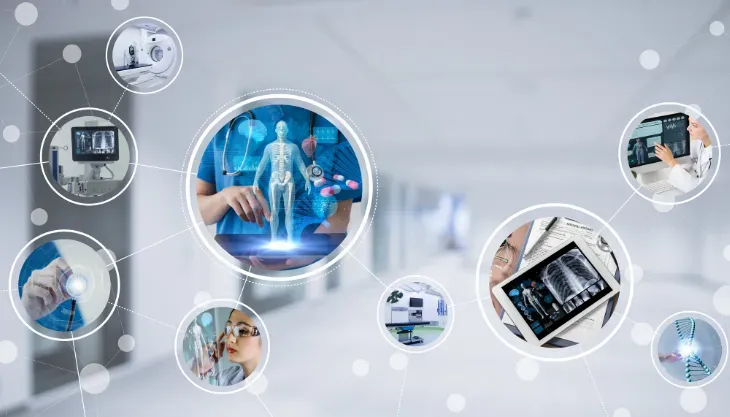
Using technology to grow one’s practice is critical in today’s fast-paced world. Even with an EHR, many practices still rely on old-school processes. According to Dr. Andrew Mellin, Vice-President of Medical Informatics at Surescripts, EHRs can help providers stay informed on the patient’s clinical and economic factors, enhance documentation and communication processes, and coordinate with pharmacies. Modern EHRs, however, can also do so much more. Modern EHR systems go far beyond digital record-keeping.
Advanced features now include:
- Secure messaging and chat
- Patient portals and mobile apps
- Real-time data sharing
- Integrated telehealth
These tools help providers deliver personalized, connected care experiences while improving patient retention.
7. Telehealth Is Essential for Healthcare Growth

The adoption of telehealth technology skyrocketed during the pandemic—and it continues to grow.
Benefits include:
- Increased patient reach
- Improved accessibility
- Better chronic disease management
- Higher patient satisfaction
Healthcare organizations that embrace telehealth as part of their digital strategy will remain competitive in the evolving landscape.
8. Telehealth Reduces Costs & Improves ROI

According to Dr. Neal Patel, the CIO for Health IT of Vanderbilt University Medical Center, throughout the pandemic, it became clear Telehealth could help “to limit exposure and not use up protective equipment just for a conversation.” Beyond convenience, telehealth solutions have proven to be cost-effective.
They help:
- Reduce overhead costs
- Optimize provider time
- Increase patient volume
- Improve revenue cycles
When integrated with EHR and billing systems, telehealth becomes a powerful driver of both clinical efficiency and financial performance.
Final Thoughts: The Future of Healthcare Is Digital
The challenges of 2020 pushed the healthcare industry to innovate faster than ever before.
Practices that embrace:
- EHR software and automation
- Telehealth and remote care
- Data-driven medical practice management
…are better positioned for long-term success.
With advanced solutions from Meditab, healthcare providers can not only adapt to change—but lead it.
Share this post: